
The Escape Hatch
There are two words on page 4 of your roof warranty that can quietly void the whole thing. Biological contamination. It sounds like a chemical spill at a lab. It means a bird, a pile of leaves, and a Tuesday nobody cleaned the roof. Guess who pays.
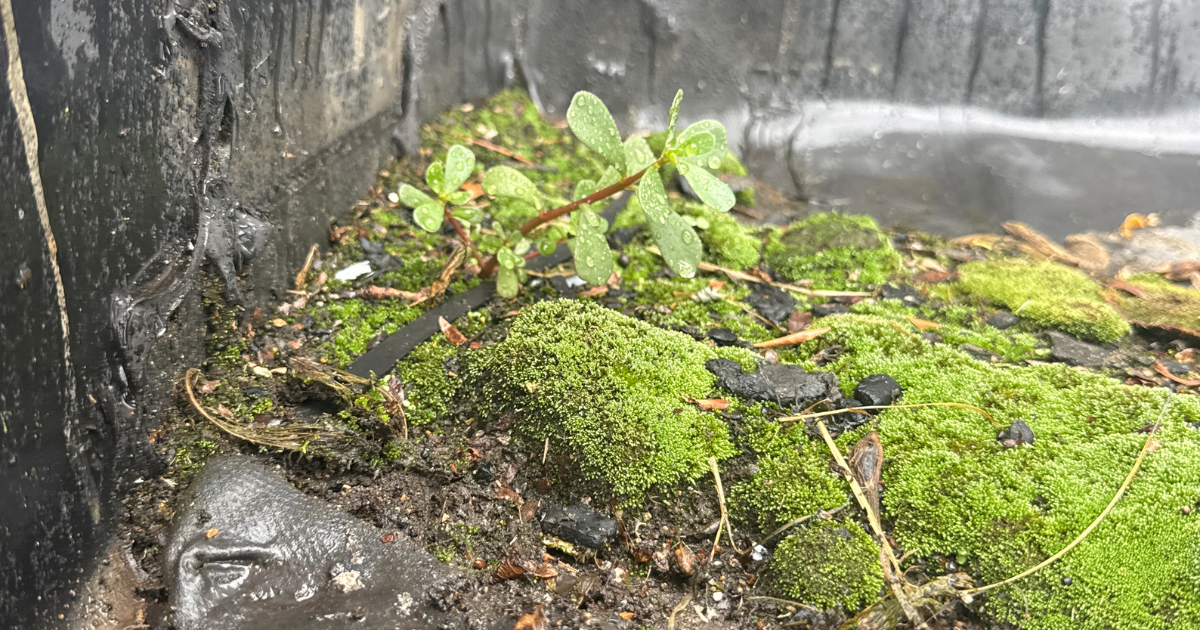
- Biological contamination means anything that was ever alive. Leaves, birds, moss, algae, pollen, and the film they leave behind. Not a chemical. Your roof.
- It is not buried by accident. That language is standard practice, written to hand the manufacturer an escape hatch.
- It collects where you never look. The wind-blown corners and the low spots where the insulation has sunk.
- A wash is both the cure and the camera. It removes the trigger, and it documents the ponding and debris before a denial can use them.
- The cadence is simple. A professional wash every one to three years. Never bleach. Never a power blaster.
If you have never read past page 2 of your warranty, you are in the 84% who never do. This is the paragraph they were counting on you to skip.
WRITTEN FOR SKIMMERS. Read the bold headline and the one line under it and you have the whole thing. Or hit the podcast. Or just read The Keys. Your time and your health are the real currency, and we are not going to waste either.
QUICK ANSWERS (pardon the interruption; the robots read these first)
Up top on purpose. Skimmers get the answer fast, and the search and AI tools people now ask for a roofer can lift a clean answer instead of guessing.
Q: What does biological contamination mean on a roof?
A: It means any organic material, anything that was once alive. Leaves, twigs, pollen, algae, moss, and bird droppings all count. Most commercial warranties exclude damage tied to it, which means letting it sit can void your coverage.
Q: Can a bird dropping really void a 20-year warranty?
A: Under a lot of warranty language, yes. The clause does not care whether it was a bird or a windstorm. It cares that organic material was on the roof and was not removed. That is the escape hatch.
Q: Does cleaning my roof protect my warranty?
A: It helps two ways. It removes the biological material that triggers the exclusion, and a documented, photographed cleaning builds the maintenance record a manufacturer asks for before they pay a claim.
Q: How often should a commercial flat roof be cleaned?
A: For most buildings, a professional wash every one to three years is plenty. Buildings under heavy tree cover or catching wind off the lake may want the shorter end of that range.
Q: Will pressure washing void my warranty?
A: It can. A high-pressure blast or harsh bleach can damage a membrane and void coverage all on its own. The right method is a low-pressure soft wash with the correct solution. Never a teenager with a blaster.
The Story That Sells the Clause
Twenty years of coverage can die on a single unswept Tuesday.
You own a strip center in Merrillville. Six tenants, one flat roof, a twenty-year warranty in a drawer you have not opened since the day you signed it. You feel covered. That feeling is the product they actually sold you.
Then a tenant calls. There is a stain spreading across the ceiling tiles in unit four. You are not worried, because you have a warranty. You call the manufacturer. Someone comes out.
He climbs down holding a phone full of photos. Leaves packed into the north corner. A green bloom of algae along a seam. A shallow pond sitting in a low spot near the old rooftop unit, the kind of dip that forms when the insulation underneath gets compressed over the years. He is polite about it. Biological contamination, he says. That is an exclusion. Coverage does not apply here.
Twenty years of paper, and it did not survive one Tuesday.
What Biological Contamination Actually Means
It is not a chemical spill. It is anything that was ever alive, sitting on your roof.

The phrase sounds like a chemistry lab. It is simpler and sneakier than that. Bio means life. Biological contamination is anything on your roof that was once alive and has started to break down.
Leaves. Twigs and bark. Seeds and pollen. Moss. Algae. Bird droppings, nests, and, yes, we have pulled bird skeletons off more than one roof. Over in Portage we once cleared what can only be described as a small garden, growing happily in the muck of a low spot. We have found spent fireworks, tennis balls, and a lawn chair nobody could explain.
We could go on about leaves and algae all day, but we would hate to leaf you hanging. The point is simple: none of it looks dangerous, and that is exactly why the clause works.
Nobody reads biological contamination and pictures the maple tree in their own parking lot. The manufacturer is counting on that.
Why It Is on Page 4, and Why That Is on Purpose
The exclusion is not an accident. It is the escape hatch, written on purpose.
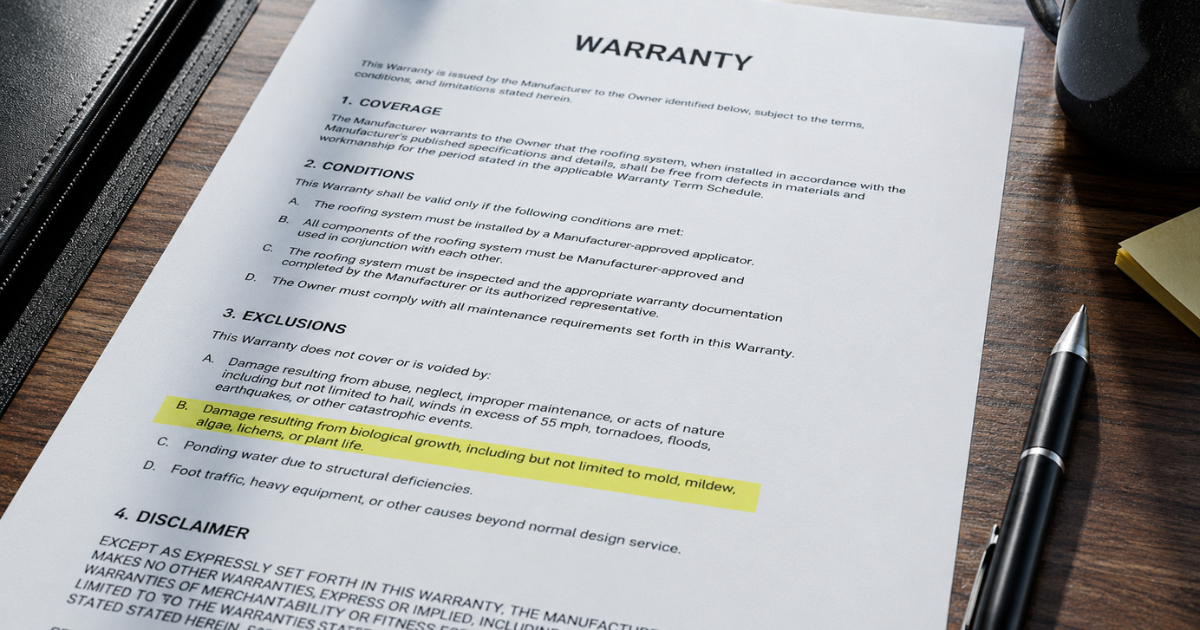
Here is the part that should make you a little angry.
That language is not a quirk of legal writing. It is standard practice. The people who structure these warranties are paid to protect the manufacturer and the installer, not you. The promise on the cover is twenty years. The exclusions in the fine print are the escape hatch, and biological contamination is one of the widest doors in the building.
It is a magician's trick. One hand waves the twenty-year guarantee. The other hand quietly holds the exit. The misdirection works because most owners never read far enough to see the second hand move. Surveys put it at 84% who never fully read the warranty, and of the ones who do, a large share still get a claim denied on the first try.
You did nothing wrong. You just were not told which paragraph mattered.
Where It Hides
It piles up in the corners and the low spots you never walk to.
Biological material does not spread evenly. Wind sorts it. It skids across the open field of the roof and piles up where it hits a wall: the corners, the parapet edges, the base of every curb and rooftop unit.
Then there are the low spots. A flat roof is never truly flat. Over ten winters, snow load compresses the insulation board and the roof develops shallow dips, an inch here, an inch and a half there. Those dips catch water, and standing water catches everything the wind was carrying. Debris settles into the puddle, rots, and feeds the next colony.
That is the danger zone. Not the middle of the roof. The corners and the sunken spots you cannot see from the ground, and would not walk to even if you went up there.
A Wash Is Both the Cure and the Camera
Cleaning removes the trigger and documents the proof in one visit.
Here is what most owners miss. Cleaning is not cosmetic. It does two jobs at once.
First, it removes the very thing the warranty uses against you. No biological material, no biological contamination exclusion. You take the escape hatch away from them.
Second, and this is the part that saves buildings, when we clean every square inch the roof starts telling the truth. Grime hides everything. A soft spot, a split seam, a slow leak, all of it blends into dark-on-dark filth. Wash it off and the problems surface. We can read the ponding pattern that points to a compressed insulation dip. We can find the weep at a seam before it becomes the stain on your tenant's ceiling. And every bit of it gets photographed and dated, which is the maintenance record a manufacturer asks for before they pay a claim.
You cannot fix what you cannot see. Cleaning is how you finally see it.

The Right Way, and the Wrong Way
A soft wash protects the roof. A blaster and bleach can void it.
Not all cleaning counts. Send a teenager up there with a pressure washer for an afternoon and you can drive water into seams, strip a coating, and void the warranty with the cleaning itself. We have been called in behind that job in Hobart more than once. It is not pretty, and it is not cheap to undo.
The right way is a low-pressure soft wash with the correct solution for your membrane, worked by hand across the whole roof, never harsh bleach, never a blaster. For most commercial buildings across the Calumet region, once every one to three years holds the line. If your building sits under heavy trees or catches the wind off the lake, lean toward the shorter end.
That is the whole program. It is not complicated, and it is a rounding error next to the replacement it prevents.

The Number Nobody Budgets For
A wash is pocket change next to a denied claim or a replacement.
A wash runs a few hundred to a few thousand dollars, depending on the size of the roof. A denied claim on a mid-size building runs into the tens of thousands. A full replacement runs six figures. Those are not close numbers.
And the gap grows every season you wait. For every dollar of roof maintenance deferred, the downstream correction tends to cost four to eight dollars. A small repair left alone for eighteen months becomes a major one, and by then the water has found the insulation, the decking, and eventually a tenant's ceiling in Hammond or Gary. The deferred cycle is the most expensive thing an owner can do to a flat roof, and it is also the most common.
Age Is Not Wisdom
The oldest company is not automatically the wisest choice. Let the new one look.
Here is the quiet objection behind a lot of unshaken hands. I would rather go with the company that has been around a hundred years, because age equals wisdom.
Does it, though? Age is not wisdom. Experience can be bad experience. Habits can be bad habits. Doing something for sixty-four years does not make you good at it. It makes you good at doing it that one way, whether or not that way still holds up.
Liquid roofing is not new. It is older than fifty years. PVC vinyl has covered more than a billion square feet of American roofs, which is about as proven as a material gets. You already trust the old three, tar, plastic, and rubber. This is not a leap into the dark. It is graduating from third grade to fifth.
You are smarter than the old three. You protect your people and your property, and you are exactly the kind of owner who should want to see the whole menu. Exploring the menu is not signing a contract. It is just looking. Let the new guy look.
Not sure what is up there? Let us take a look with you.
Send us the address. We wash a test section, read the roof, check your drains and seams, and hand you photos and a straight answer. About five hours of our work, fifteen minutes of yours. Zoom, or any room you pick. No pitch. No sale. No pressure.
Text WASH to 219-529-1995 | WeWashFlatRoofs.com
What a Clean Roof Actually Buys You
You get the truth, the warranty, the value, and a good night's sleep.
Strip away the fear and here is what is left. A clean roof means you know its true condition instead of guessing. It means the warranty you paid for is still standing when you need it. It means fewer surprises for a buyer's inspector, which protects the building's value the day you sell. And it means you sleep, because the thing over your tenants' heads is handled.
The escape hatch only works on owners who never look up. Look up. Then let us take a look with you.
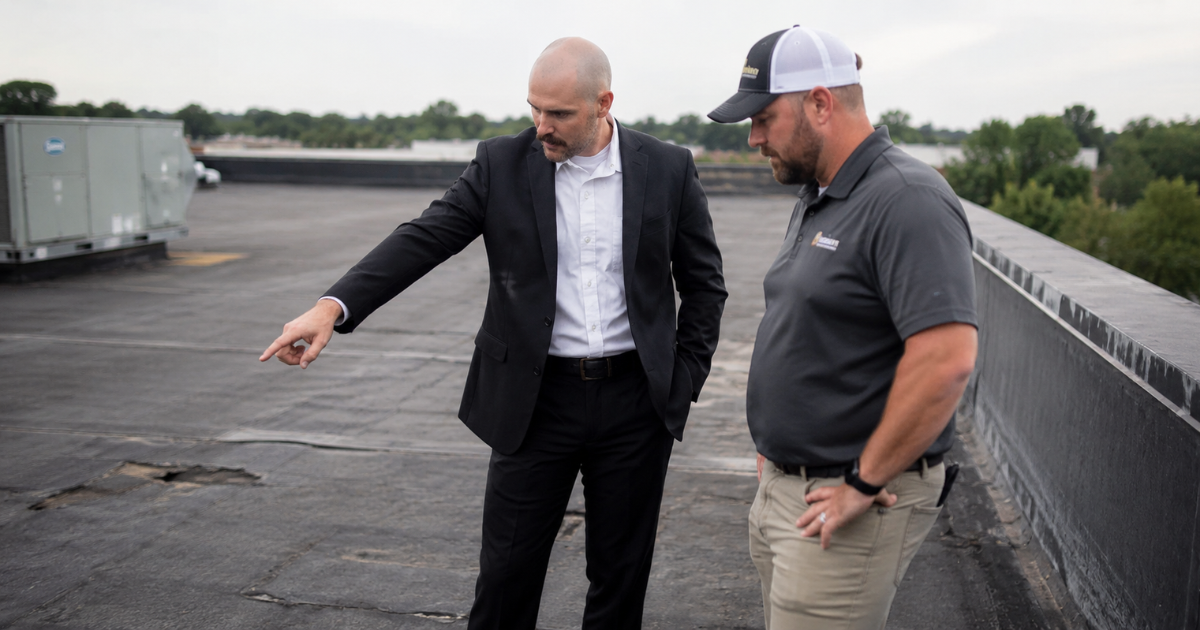
You read the whole thing. That means you care about this building.
So do we. Send the address and get five hours of free work: paperwork, drive, evaluation, and a plain-English presentation of exactly where your roof stands.
Text WASH to 219-529-1995 | WeWashFlatRoofs.com
SOURCES
1. Industry warranty surveys via YourWarrantySaysWhat.com (84% never fully read the warranty; 30 to 40% of claims denied on first attempt).
2. Sample manufacturer warranty language: GAF, Johns Manville, and Firestone commercial terms (biological growth, ponding, and maintenance exclusions).
3. National Roofing Contractors Association, warranty guidelines and maintenance best practices.
4. Asphalt Roofing Manufacturers Association, guidance on algae and organic growth.
5. Deferred-maintenance cost ratio (four to eight dollars per dollar deferred), commercial roofing maintenance analyses.
Pristine Industrial Roofing, serving commercial and industrial property owners across Lake County and Porter County.
Liquid-applied Conklin coating systems. FLEXION vinyl membranes. Proactive maintenance programs.
Valparaiso | Hammond | Portage | Merrillville | Hobart | Gary
This is Part 1 of a two-part series on the fine print. Next: What the Smoke Left on Your Roof.
We Love Conversations
 SoHelpful@PristineIndustrialRoofing.com